

Benefits of Hiring Student Workers in Summer Non-Congregate Programs
Summer non-congregate meal programs have proven essential in providing students with meals while school is out. In support of these critical programs, No Kid Hungry awarded five sponsors across the country funding to hire high school and college student workers for their summer 2024 operations.
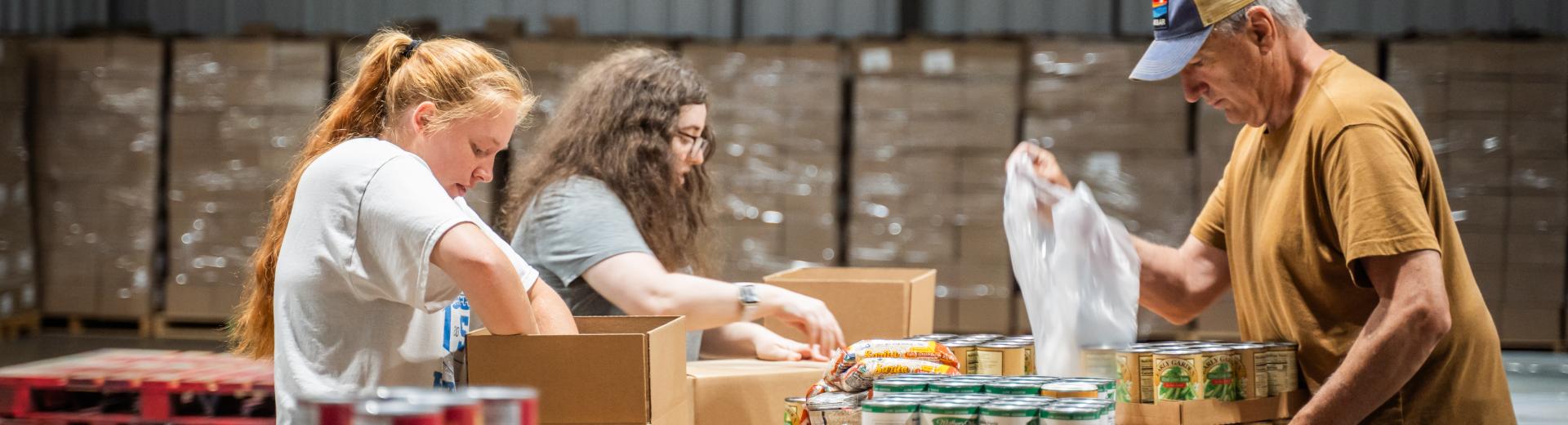
The sponsors utilized high school and college student workers to prep, pack, and distribute meals; survey families in person during pick-up; develop online surveys; create marketing materials; and help manage operations. They attributed their increased program participation to the additional capacity, improved outreach efforts, and reduced stigma that the student workers provided.
Overall, grantees reported that employing students was beneficial to their summer non-congregate programs. They noted reduced stigma, improved outreach, expanded capacity, relationship building, and student growth. Read on to learn more.
Reduced Stigma
Stigma about receiving meals at no cost, and therefore being perceived as low-income, can be a huge barrier to family and student participation in summer meals programs. However, grantees reported that utilizing high school and college students as employees in their summer meals programs helped to increase student participation because the students who collected meals saw their peers and friends working in the program, which added a level of familiarity and emotional safety.
Improved Outreach
Creating marketing materials that connect with families and students is a critical component of a successful summer non-congregate program. Many of the grantees engaged their student workers to create such materials, including social media videos and posts. This proved to be a large value add to their summer meals programs, as the student workers were savvy at navigating social media and created messaging that resonated with children and families.
Expanded Capacity
Many grantees struggled with having enough staff on hand to smoothly run their summer meals programs. Being able to hire seasonal high school and college student workers to fill the gaps was not only essential, but mutually beneficial, as many students did not have other summer employment options. Having student workers enabled some grantees to open more distribution sites. While some grantees were still short-staffed, the help of the student workers was invaluable.
Two grantees hired students from their local high school's culinary program. These students not only expanded the sponsors' kitchen capacity in their summer meals programs but also expanded their culinary experience as well.
Relationship Building
Several grantees utilized their student workers to distribute meals at pick-up sites, building trust and lasting relationships with the families. The families came to expect seeing and interacting with the student workers at pick-up. This trust enabled student workers to seek feedback from families about the program, asking families about the menu, and how they felt the program was benefiting (or not benefiting) them. This direct interaction with families also helped educate the student workers about families in the community and about food insecurity.
Student Growth
The grantees reported that the student workers gained professional skill sets such as organization, time management, problem-solving, and communication (verbal and written), as well as valuable employment experience to put on their resumes. One grantee provided ServSafe food safety training to the student workers, which lasts five years, so the workers could utilize that training at their next job. The students also gained confidence over the course of the program, and the grantees expressed joy in seeing the student workers blossom into their role.
Specific tasks that helped nourish this growth were:
- Designing feedback surveys/questions and asking the families for feedback during meal pick-up.
- Reviewing the menu and providing ideas, which was especially important because the high school workers knew exactly what foods the high school students who were picking up meals enjoyed.
- Creating outreach materials and posting on social media.
- Engaging with local businesses and government to conduct outreach.
- Prepping meals in the kitchen.
Overall Outcomes
The utilization of high school and college students in the summer non-congregate workforce proved to be a successful addition. The grantees did not report any negative outcomes in hiring students. Rather, several beneficial outcomes resulted:
Interested in learning more about staffing your summer non-congregate program? Explore these related resources: