


Medicaid Food Security Network National Summit 2025 - Agenda
Welcome to the Medicaid Food Security Network National Summit - 2025. Share Our Strength is hosting this summit on May 7-8th in Washington, D.C. at the Omni Shoreham Hotel.
The Medicaid Food Security Network (MFSN) National Summit will bring together food security advocates, healthcare representatives (primarily from Medicaid agencies and managed care organizations), state government staff, state legislators, and allies to make connections and learn about pursuing Medicaid policy change to improve food and nutrition security for children and families.
3:00 - 4:00 PM ET
Registration Opens & Networking Activities
4:00 - 5:00 PM ET
Conversations on Food Justice: SNAP and WIC’s Role in the Food is Medicine Spectrum
Blue Room
Building upon the energy around medically tailored meals and medically tailored groceries being integrated into the Medicaid system, this panel elevates how Medicaid systems can better integrate SNAP and WIC navigation assistance as part of a complete food security strategy. This session discussed how leaders in the Food Is Medicine (FIM) field conceptualize FIM as including federal nutrition benefits, particularly when a healthcare team assists with navigation support for patients/members with accessing SNAP and WIC.
Welcome from MFSN
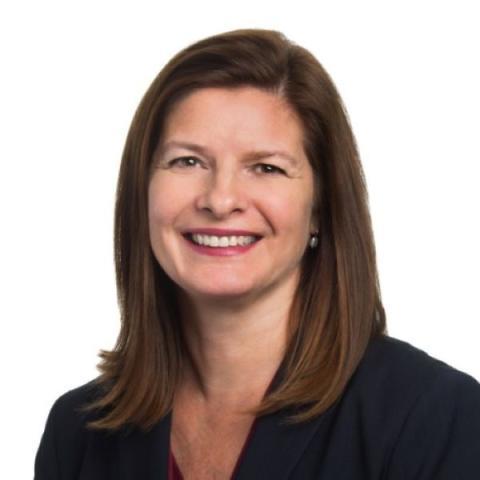
Kelleen Zubick
Kelleen Zubick serves as Managing Director, Health Systems for Share Our Strength, a national organization dedicated to ending hunger and poverty. In this role, she oversees the strategic partnerships and development of initiatives that strengthen the ability of health systems to connect low-income children and their families with nutrition assistance, especially SNAP and WIC, and she also serves as co- strategy lead on Share Our Strength’s Benefits Integration program priority. Kelleen expresses values for equity, diversity and inclusion though supporting team members to center equity and ensure the voices and needs of families and community are an integral part of programmatic design and practices.
Kelleen has a BA in Child Development and English from Tufts University and an MFA from Arizona State University. Kelleen lives in Colorado but grew up in Brazil where her family distributed food to under-resourced families every day, and this experience fuels her passion to address hunger and food access in the US.

Corby Kummer
"Corby Kummer is executive director of Food & Society at the Aspen Institute, a senior lecturer at the Tufts Friedman School of Nutrition Science, and a senior editor of The Atlantic, for which he was a longtime food columnist and originated a vertical on food, sustainability, policy, and food justice. He attended the Loomis-Chafee School and received a BA from Yale College.
He is the author of The Joy of Coffee and The Pleasures of Slow Food, the first book in English on the Slow Food movement, and has been restaurant critic of New York, Boston, and Atlanta Magazines and a food and food policy columnist for The New Republic. He has received six James Beard Journalism Awards. One of the country’s most widely quoted experts on food justice and food culture in the United States, Corby is a featured commentator on food and food policy every week on WGBH’s Boston Public Radio."
Panelists

Dr. Caree Cotwright
Dr. Caree Jackson Cotwright describes her work as the place where nutrition meets community and creativity. She blends science and storytelling to nourish a healthier generation. Whether she’s crafting nutrition policy or colorful plays, she turns veggies into superheroes and classrooms into stages for change—one bite, one story, one community at a time.
Dr. Cotwright is a distinguished leader in nutrition, passionately dedicated to advancing food and nutrition security across the United States. As the former Director of Nutrition Security and Health Equity for the Food and Nutrition Service at the United States Department of Agriculture (USDA), Dr. Cotwright was essential in orchestrating a comprehensive departmental approach to enhance nutrition security nationwide. She also played a pivotal role in advancing the goals of the White House Conference on Hunger, Nutrition, and Health. Her commitment to enhancing health outcomes is reflected in her extensive communication efforts, having presented over 200 keynote addresses, speeches, podcasts, and webinars. Dr. Cotwright is an esteemed scholar who has received numerous accolades, including the prestigious 2024 President’s Council on Sports, Fitness & Nutrition Hero Award.

Dr. Kofi Essel
Kofi D. Essel, MD, MPH, FAAP, is the inaugural Food as Medicine Program Director at Elevance Health. As a core member of the Health Outcomes Organization team, he works to coordinate with the broader social impact strategy, health equity, and medical policy initiatives throughout the enterprise. He leads efforts in designing innovative approaches to address diet related chronic diseases and social risk using novel food interventions.
Dr. Essel is a board-certified community pediatrician at Children’s National Hospital(CNH) and Clinical Associate Professor of Pediatrics at the George Washington University(GWU) School of Medicine & Health Sciences in Washington, D.C. Most recently serving as the Director of the GWU Culinary Medicine Program. Dr. Essel has dedicated his career to advocacy/research around healthcare and public health workforce training, health disparities, and community engagement, with expertise and national recognition in the areas of addressing diet related chronic disease and food insecurity with patients and families.

Liz Landa
Liz Landa – She/Her/Ella is a Resident Services Manager II at Mercy Housing in Sacramento, where she supports residents and her team through holistic, equity-focused programs that include food access, housing stability, youth leadership, health and wellness, and community advocacy. A proud alum of the University of the Pacific in Stockton CA with a BA in Sociology. She launched a food pantry and free lunch program for students at San Joaquin Delta College in 2013. As a REDI (Racial Equity, Diversity, and Inclusion) Ambassador for Mercy Housing California she strives to fight for the change she wishes to see in the world.
Closing remarks

Chuck Scofield
Chuck Scofield is the Executive Vice President, overseeing the organization’s programmatic efforts. He is responsible for developing and implementing the long-term strategy for both the nutrition “access” and “education” components of No Kid Hungry.
Chuck helps define and manage the organization’s role and relationships at the federal, state, and local levels – increasing its profile among key influencers, measuring organizational impact, and fostering inter-departmental collaboration around Share Our Strength’s organizational goals.
A native of Houston, Texas, Chuck graduated with honors from Davidson College. He is a board member of The Opportunity Fund, and Students for International Medical Action. He lives with his family of four in Maryland.
5:15-6:15 PM ET
State Case Studies on Medicaid Food and Nutrition Supports
Blue Room
This panel brought together state Medicaid agency staff working on 1115 waivers and ILOS that support food and nutrition. The panel provided an overview of these food security strategies, and then dove deeper in how each state is approaching the topic of connecting members to SNAP and WIC. Approaches to SNAP and WIC include navigation assistance as a covered case management benefit, standardized Medicaid care management workflows that include screening and referring, and/or monitoring and reporting on SNAP and WIC enrollment rates among Medicaid participants.
Moderator

Dr. Julian Xie
Julian Xie, MD, MPP (He/they) leads and develops the Medicaid Food Security Network, as well as serves as a programmatic expert in Medicaid, federal nutrition benefits (SNAP, WIC), and Food is Medicine. The Medicaid Food Security Network aims to mobilize the Medicaid system and food security community to better serve Medicaid participants through improved access to SNAP, WIC, and increased investments in food security and access initiatives.
Julian most recently served as the Associate Director of Healthcare Innovation and Evaluation at Benefits Data Trust where he led partnerships with healthcare organizations - including Medicaid managed care organizations and hospitals - to connect members/patients to application assistance for public benefits with a focus on SNAP. His role also included evaluation facilitation for healthcare projects on the links between SNAP access and improved healthcare outcomes. Julian also led technical assistance and advocacy to increase linkages between healthcare and public benefits, including workflow integration for SNAP application assistance for healthcare teams, and advocacy for SNAP data sharing to enable healthcare organizations to improve their SNAP outreach and evaluation efforts.
Speakers

Dr. Palav Babaria
Dr. Palav Babaria was appointed Chief Quality & Medical Officer and Deputy Director of Quality and Population Health Management of the California Department of Health Care Services in March 2021. In that capacity, she and her team are responsible for ensuring the quality, health equity, population health outcomes and value based payment approaches for the 14 million Californians currently served in its Medicaid program, known as Medi-Cal.
Prior to joining DHCS, she served as Chief Administrative Officer for Ambulatory Services at the Alameda Health System (AHS) where she was responsible for all outpatient clinical operations, quality of care, and strategy for primary care, specialty care, dental services, and integrated and specialty behavioral health, as well as executive sponsor for value-based programs including the Medi-Cal 1115 Waiver. She also previously served as Medical Director of K6 Adult Medicine Clinic. She also has over a decade of global health experience and her work has been published in the New England Journal of Medicine, Academic Medicine, Social Science & Medicine, L.A. Times, and New York Times. Dr. Babaria received her bachelor’s degree from Harvard College, as well as her MD and Masters in Health Science from Yale University. She completed her residency training in internal medicine and global health fellowship at the University of California, San Francisco.
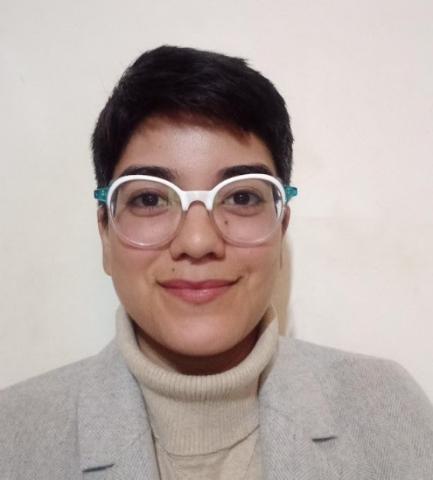
Maria Perez
Maria Ramirez Perez is the Associate Director of Healthy Opportunities with North Carolina Medicaid. Maria’s experience with healthcare has focused on designing and implementing programs with an emphasis on addressing non-medical drivers of health for low-income communities. Her current work focuses on the Healthy Opportunities Pilots, a program proven to address non-medical drivers of health and reducing healthcare costs.
Before working with NC Medicaid, she provided education and advocacy for communities by aiding with public benefits appeals. She has led regional outreach efforts for Medical-Legal Partnership and Healthcare Navigator programs and resolutely holds to the lessons learned during her time in the field, supporting access to critical social services.
Maria holds a Master of Public Health from UNC Gillings School of Global Public Health.
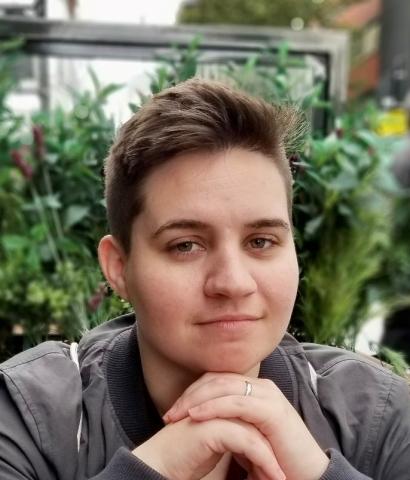
Allison Rich
Allison Rich is the Senior Manager of the Social Service Integration team at MassHealth, Massachusetts’ state Medicaid Agency, working primarily on the Flexible Services Program and Health Related Social Needs (HRSN) Services, services aimed at providing certain eligible Medicaid members with housing and nutrition supports in order to improve health outcomes, reduce health care costs, and reduce health disparities. In this role, she has performed a myriad of roles needed to launch and operationalize the Flexible Services Program and transition the services into the HRSN services benefit, including policy development, program implementation, contract and performance management, and data analysis. This work has included creating a framework of equity in access to services and social outcomes.
Prior to joining MassHealth, Allison’s work focused on social advocacy, which included training service providers to collect, clean, and, utilize data to improve services for people experiencing homelessness, substance use disorders, and mental health issues. Allison received her BA from the University of New Hampshire and her MPP from American University.
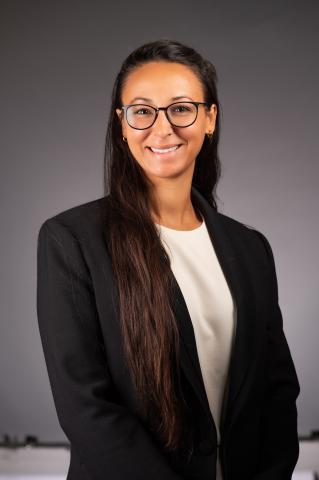
Alex Alam El Din
Alexandra Alam El Din-Meeks is an Empire State Fellow placed within the Executive Chamber of New York State, she rotates between the Department of Agriculture and Markets, the Department of Health, and the Office of General Services. Her primary focus is on aligning food and nutrition accessibility efforts/initiatives across all state agencies, with a particular emphasis on emergency feeding and Food as Medicine. Alex has over a decade of experience working in food and nutrition access at various points along the food system. She is passionate about getting healthy food into our community and equipping our most vulnerable populations with knowledge and resources they need to make healthy choices and lead wholesome lives. Alex’s skill set is broad and includes proficiency in food policy and systems, fund development, nutrition education, program development and evaluation, and nonprofit leadership. She holds a strong commitment to improving food equity and fostering healthier communities. She holds a B.S. in Dietetics, Nutrition and Food Science from the University of Vermont and a MPH in Social Behavior and Community Health from the State University of New York at Albany.
8:00- 9:00 AM ET
Breakfast and Summit check-in open
Blue Room Prefunction
9:00 -10:00 AM ET
Meeting the Moment: Medicaid Food Security Network's Strategy Overview
Blue Room
Speakers provided an overview of context for the Medicaid Food Security Network (MFSN) as well as MFSN’s achievements since its launch in 2024 and preview 2025-2026 strategies including how we will work to create paths forward in state-level advocacy for Medicaid food strategies - including through supporting In Lieu of Services and other managed care administrative change that supports Food is Medicine and nutrition case management, advancing research, and exploring how to support responsible SNAP/WIC data sharing to healthcare - whilst also defending the core Medicaid and federal nutrition benefits. Attendees will be asked to provide input into these strategies so MFSN can best support state food security champions.
Opening Remarks

Courtney Smith
Courtney oversees the No Kid Hungry Center for Best Practices, which identifies and promotes adoption of effective strategies, policies, and programs that center the needs of families and communities facing food and economic insecurity. She has extensive experience working to improve government programs and social policies. Before joining Share Our Strength in 2008, Courtney held research, consulting and technical assistance positions at the National Governors Association, Berkeley Policy Associates, the Literacy Assistance Center of New York City, and the Program to Educate the Girl in Guatemala. Courtney has a master’s in public policy from the University of California at Berkeley and a bachelor’s in English literature and women’s studies from Grinnell College.
The Federal Landscape
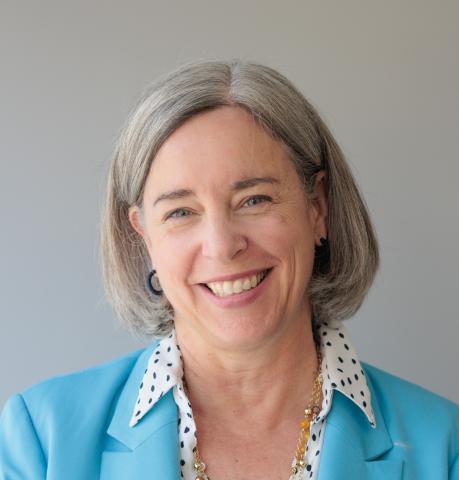
Stacy Dean
As Executive Director, Dean champions the institute’s mission to change the world through the power of food. She is a renowned national food policy leader with more than 30 years of experience in the government and non-profit sectors, dedicated to improving nutrition assistance for struggling Americans and tackling barriers ingrained within nutrition programs. Her distinguished career includes her most recent role as the Deputy Under Secretary for the U.S. Department of Agriculture (USDA) Food, Nutrition and Consumer Services, where she led the Administration’s work on federal nutrition programs. In this role, Dean was instrumental in strengthening the agency’s efforts on food and nutrition security as well as local food systems and resilience.
Prior to her role at USDA, Dean served as the Vice President for Food Assistance Policy at the Center on Budget and Policy Priorities, where she led their research and advocacy work on federal nutrition programs as well as other safety net programs. She has authored scores of papers and analyses on federal nutrition programs, testified before Congress and has been frequently quoted in the media, including the NYTimes, Politico and other publications.
Conversation with Parent Advocate
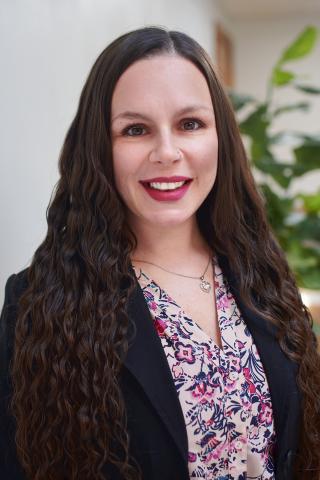
Ashleigh Ligon
Ashleigh Ligon (she/her) is a mother of six, a passionate advocate, and a voice for families navigating systems that aren’t always built with them in mind. She serves on Share Our Strength’s SNAP Parent Advisory Council and is a Parent Ambassador through the Washington State Association of Head Start and ECEAP, where she works to elevate parent voices in conversations about policy, equity, and access.
Ashleigh’s advocacy is rooted in both personal experience and professional training. As a disabled parent raising children with lifelong developmental disabilities and severe food allergies, she understands the barriers families face — from accessing early education and healthcare to securing basic necessities like food. These lived experiences fuel her fight for dignity, opportunity, and meaningful change.
Ashleigh is also dedicated to providing family-centered care, supporting parents and families as they navigate complex systems. As a doula, lactation counselor, and childbirth educator, she empowers families to thrive through informed, compassionate support.
An engaging speaker, facilitator, and policy collaborator, Ashleigh is helping to shape a future where healthcare, food security, and dignity are a right for every family.
MFSN Strategy Updates and Input from Attendees
Dr. Julian Xie
Julian Xie, MD, MPP (He/they) leads and develops the Medicaid Food Security Network, as well as serves as a programmatic expert in Medicaid, federal nutrition benefits (SNAP, WIC), and Food is Medicine. The Medicaid Food Security Network aims to mobilize the Medicaid system and food security community to better serve Medicaid participants through improved access to SNAP, WIC, and increased investments in food security and access initiatives.
Julian most recently served as the Associate Director of Healthcare Innovation and Evaluation at Benefits Data Trust where he led partnerships with healthcare organizations - including Medicaid managed care organizations and hospitals - to connect members/patients to application assistance for public benefits with a focus on SNAP. His role also included evaluation facilitation for healthcare projects on the links between SNAP access and improved healthcare outcomes. Julian also led technical assistance and advocacy to increase linkages between healthcare and public benefits, including workflow integration for SNAP application assistance for healthcare teams, and advocacy for SNAP data sharing to enable healthcare organizations to improve their SNAP outreach and evaluation efforts.
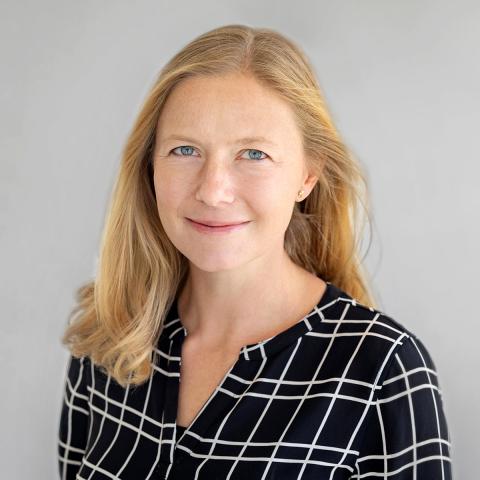
Kathryn Jantz
Kathryn Jantz is the Senior Associate responsible for providing subject matter expertise on Medicaid health related social needs policy, the intersection between food and health, social return on investment for upstream activities, and healthcare-based programs to address social needs. She is a public health policy expert focused on mobilizing the healthcare system to address the structural drivers of health inequity. In prior roles, she supported states in developing strategies to finance care for children in youth with special health care needs, led the implementation and design of Colorado Medicaid’s primary delivery system, and ran a successful Accountable Health Communities Model in Western Colorado. Kathryn holds a Masters in social work with a focus in clinical practice and a Masters in public health with a focus in health law.
10:15 - 11:30 AM ET
Parallel Workshops
Medicaid Food Security Strategies Foundations, Case Studies, and Live Technical Assistance
Hampton Room
An overview of Medicaid managed care regulations and flexibilities to enable Medicaid-supported food and nutrition services including In Lieu of Services, 1115 waivers, care coordination/case management, value-added services, community reinvestment, and value-based payments.
Speakers

Jamila McLean
Jamila McLean supports states in their efforts to transform healthcare systems to be more affordable, equitable, and innovative. Throughout her career, she has championed policy and practice innovations that improve access to Medicaid and other healthcare-related benefits, providing technical assistance to state agencies and their partners. She also conducted research at the Rutgers Institute for Health focused on understanding the role of race, ethnicity, and nativity status on the physical and mental health outcomes of African Americans and Black Caribbeans. She holds a Master of Public Health from the Rutgers School of Public Health and a B.S. from the Rutgers Edward J. Bloustein School of Planning and Public Policy.
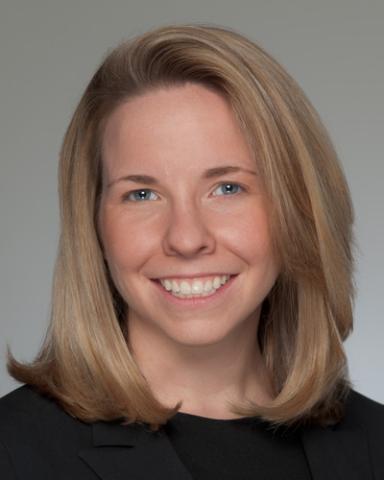
Katie Garfield
Katie Garfield, JD: Katie is a Clinical Instructor and the Director of Whole Person Care at the Center for Health Law and Policy Innovation of Harvard Law School. Katie joined the Center in 2014 and currently directs its initiatives that focus on better equipping the U.S. health care system to identify and respond to health-related social needs, including the Center’s Food is Medicine project. In her work on these initiatives, she conducts legal and policy research regarding current pathways to integrate innovative services into health care delivery and financing. She also provides education and technical support to a range of community-based organizations, state agencies, health care providers, and coalitions who are working to develop or implement strategies to achieve these goals. Prior to joining the Center, Katie was an associate at Ropes & Gray LLP. She is a licensed member of the Massachusetts Bar.

Craig Moscetti
Craig tracks and analyzes opportunities for federal, state, and local policy change and provides key policy expertise in support of our advocacy efforts. When he joined the Center in 2021, Craig brought a wealth of policy analysis and research experience related to child health and nutrition. His prior roles include the Public Health Law Center in Minnesota, Congressional Research Service, Global Health Council and Bread for the World. Craig holds a Bachelor of Science from Villanova University and a Master of Public Health with a concentration in Global Health Policy from George Washington University.
Advocacy organizations from several states shared their experiences engaging with their Medicaid and SNAP systems to advance Food is Medicine and benefits access. After their presentations, the facilitators and speakers led small group peer learning and live technical assistance tables, giving attendees an opportunity to present and discuss topics from their own states.
Facilitators
Kathryn Jantz
Kathryn Jantz is the Senior Associate responsible for providing subject matter expertise on Medicaid health related social needs policy, the intersection between food and health, social return on investment for upstream activities, and healthcare-based programs to address social needs. She is a public health policy expert focused on mobilizing the healthcare system to address the structural drivers of health inequity. In prior roles, she supported states in developing strategies to finance care for children in youth with special health care needs, led the implementation and design of Colorado Medicaid’s primary delivery system, and ran a successful Accountable Health Communities Model in Western Colorado. Kathryn holds a Masters in social work with a focus in clinical practice and a Masters in public health with a focus in health law.

Amanda Bank
Amanda Bank, MPH, is a program officer at the Center for Health Care Strategies (CHCS). In this role, she leads initiatives that seek to better coordinate Medicaid and food/nutrition security efforts for Medicaid stakeholders across the country, particularly through expanding access to benefits, streamlining state and federal benefit programs, and incorporating community-based organizations into Medicaid. Amanda holds a master’s degree in public health from the Tufts University School of Medicine. When not thinking about Medicaid policy, you can find Amanda teaching yoga, biking, and generally enjoying life outside.
Speakers

Beth Kenefick
Elizabeth Kenefick – Senior Policy Advisor, Policy and Advocacy, Greater Chicago Food Depository
Beth is a senior policy advisor with the Greater Chicago Food Depository’s policy and advocacy team. In the role she leads the development and advancement of policies and thought leadership to strengthen federal nutrition programs and end hunger and its root causes. Her issue portfolio includes child nutrition and the hunger-health connection e.g., social drivers of health.
Prior to joining the Food Depository, Beth was a senior program manager with the American Hospital Association (AHA) Center for Health Innovation’s population health team. She managed programs that highlighted and strengthened partnerships between health care systems and community organizations in order to advance health equity. This includes content development for the AHA’s Accelerating Health Equity conference and supporting events, as well as, managing a multi-year national grant from Robert Wood Johnson Foundation aimed at sharing learnings about how hospitals are addressing housing instability through community investment.
Prior to joining the AHA, Beth advocated for and analyzed state and federal policies that support children and families in achieving economic success. Through this lens, her work touched upon the areas of early childhood education, family economic security, health, and public budgeting at nonprofits and government offices in Chicago and Washington, DC.
Beth holds a master’s degree in public policy and a certificate in municipal finance from the University of Chicago’s Harris School of Public Policy and a bachelor of arts in political economy from Georgetown University.
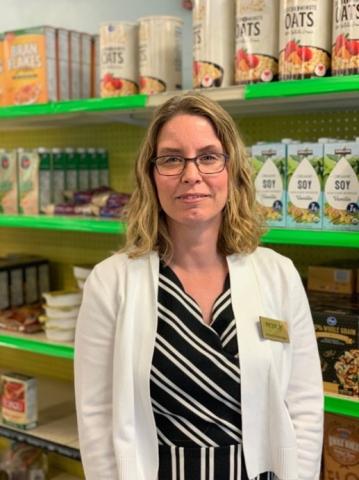
Jessica Osenbrügge
Jessica Osenbrügge, Senior Director of Community Health and Engagement, has been serving since 2018 at Roadrunner Food Bank of New Mexico (Roadrunner). In her role, Jessica leads strategic partnerships and collaborations between Roadrunner and healthcare systems throughout the state of New Mexico and advances systems change with food and nutrition security, food is medicine, health equity, and drivers of health.
Additionally, Jessica honorably serves as a council member to the New Mexico Primary Care Council, a Co-chair of the Heart Disease and Diabetes Prevention of the New Mexico Chronic Disease Prevention Council, and as a steering committee member to the New Mexico Social Determinants of Health Collaborative, a burgeoning collaboration begun in 2022. With much delight, Jessica graduated from the Feeding America Community of Practice Health Equity training in June 2022.

Austin Webb
Austin Webb joined OK Policy in September 2022 as the Northeast Regional Organizer. Born and raised in Tulsa, he notes his grandfather instilled in him a strong dedication for community service, taking him to volunteer at his church’s food bank twice a week, every summer from the fifth grade until his high school graduation. Austin worked as a volunteer coordinator for local and state election campaigns in 2016 and 2018. He has also worked for non-profit organizations in the Tulsa area in areas that include helping low-income households prepare their tax returns, working for after-school programs, and helping people enroll in various government services like SoonerCare and SNAP. Service to community remains at the heart of everything he does.
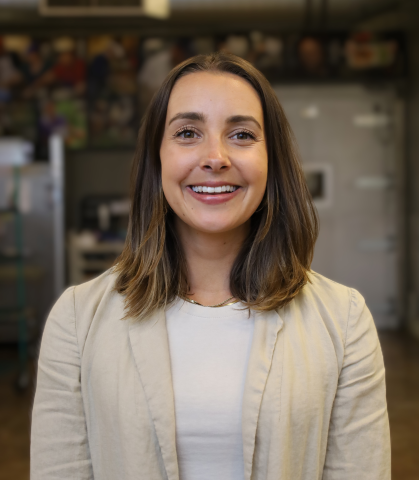
Nic Soucy
Nic Soucy (she/her) serves as the Manager of Government Affairs at Project Angel Heart. Nic became passionate about health equity while working in direct-service and program-level roles supporting individuals experiencing homelessness and carries those perspectives and experiences with her as she engages in advocacy and policy work. She loves working at the intersection of food and health and advocating for increasing access to critical nutrition interventions. Nic earned her Master of Public Health degree from the Colorado School of Public Health as well as her Master of Social Work degree from the University of Denver’s Graduate School of Social Work. Outside of work, Nic enjoys volunteering with Guide Dogs for the Blind, cooking and trying new foods, visiting her family back “home” in New England, and training for various triathlon and fitness events.
Fidelity, Equity, and Dignity (FED) in Food is Medicine Workshop
Capitol Room
This session discussed the critical importance of fidelity, equity, and dignity in FIM - including protecting immigrants and their access to services, and the importance of SNAP choice despite proposals to restrict SNAP. Attendees learned about the FED Collective and its tools for implementing the FED Principles in FIM programming as well as heard from experts leading national programs that help boost food security by delivering culturally responsive nutrition education.
Speakers

Maham Rizvi
S. Maham Rizvi (she/they) is a Food Systems Manager at DAISA, with a specialization in Food as Medicine programming -- specifically Produce Prescriptions (PRx). Maham has created pivotal resources and provided direct technical assistance to numerous Produce Prescription (PRx) programs across the country and actively co-facilitates multiple PRx communities of practice. Current initiatives include advising 10 Healthy Food Rx programs funded by Blue Cross Blue Shield Foundation of North Carolina and co-developing The FED Collective for applied fidelity, equity, and dignity (FED) in food as medicine programming. They have more than 15 years experience in the food industry in the U.S. and abroad, spent cooking in restaurants, working on farms, with social enterprises and grassroots organizations. Maham is educated in radio journalism and has a BS in Food Science + Agriculture from the University of Gastronomic Sciences in Pollenzo, Italy.
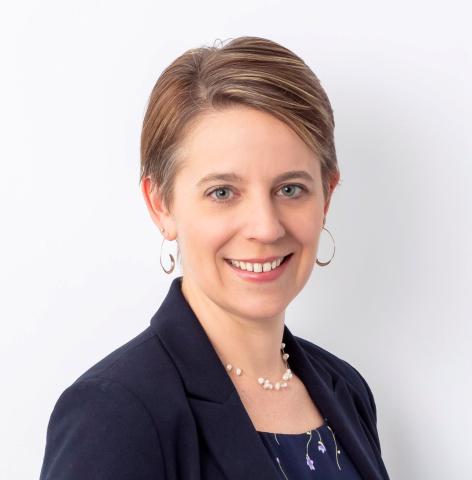
Kelly Horton
Kelly D. Horton, MS, RDN is the Senior Vice President, Public Policy and Government Relations at the Academy of Nutrition and Dietetics, the world’s largest organization of food and nutrition professionals. Kelly oversees the Academy’s public policy agenda and advocacy efforts that promote health and reduce the burden of chronic disease through evidence-based nutrition services and interventions. Her role supports the pursuit of legislative and regulatory policies that expand access to nutrition care. Her team’s portfolio of programs includes those impacting consumer protection and licensure, healthcare policy and payment, and nutrition security.

Anthony Bonner
Memphis-based master barber with over 14 years of experience. A dedicated father, I am passionate about creating safe, healing spaces for Black men to vent, grow and thrive. Since moving to Memphis in 2009, I have committed myself to both personal and community transformation; most recently through my work as a Memphis Power Fellow, recently becoming an alum of The Change Collective and my involvement in PLTI since March 2024.
I am the visionary behind multiple initiatives centered on Black fatherhood, mental health and mobile wellness access, including working with MCSC schools to provide haircuts to low income families. My efforts aim to rebuild family structures, uplift men’s mental health and redefine what it means to a present and powerful father.
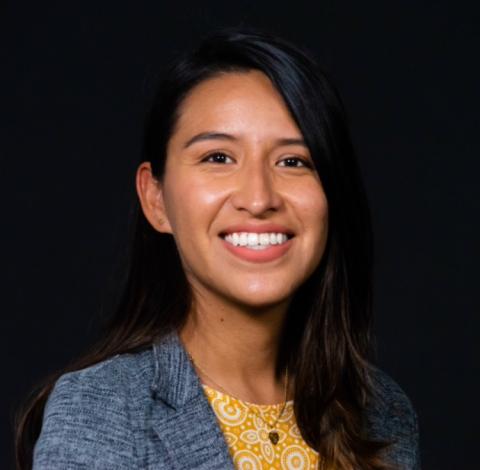
Selene Tituaña Jurado
Selene Tituaña Jurado is a Senior Program Manager for Health at UnidosUS, the largest national Latino civil rights and advocacy organization in the United States. In this role, Selene has managed several key health initiatives in collaboration with partners and subgrantees to advance health equity within the Latino community. Currently, Selene supports UnidosUS’s Nutrition Food Security portfolio by working with community-led organizations and partners to implement programs that expand access to food resources and nutritious foods. Selene holds a Master of Public Health (MPH) with a concentration in Behavioral and Community Health from the University of Maryland, College Park, School of Public Health, and is a certified Public Health (CPH) professional.
11:45 AM - 12:45 PM ET
Parallel Workshops
Health Data Standards and Definitions for Nutrition Counseling and SNAP/WIC Navigation Assistance: Where We Are and Naming Gaps and Opportunities
Hampton Ballroom
Speakers discussed their respective efforts to develop service definitions and health data standards around food security screening and interventions, to support their integration into healthcare systems. Facilitated small group discussions helped with understanding how local and state stakeholders are experiencing this topic. The group also named next steps for defining and implementing standards for nutrition counseling and nutrition case management/SNAP+WIC application assistance.
Speakers

Katie Ettman
Katie Ettman is a lifelong advocate. In her role as the Deputy Director at Fullwell, she works to build a healthy, just, and sustainable food system through local and state level policy change. Before jumping into policy head first she worked with the Food Bank of the Rockies in Denver, Colorado managing the procurement of fruits and vegetables for 30 counties in Colorado and Wyoming. When Katie isn’t at work you can find her eating her way through San Francisco and searching for the best soup dumplings the city has to offer.
Dr. Sarah DeSilvey
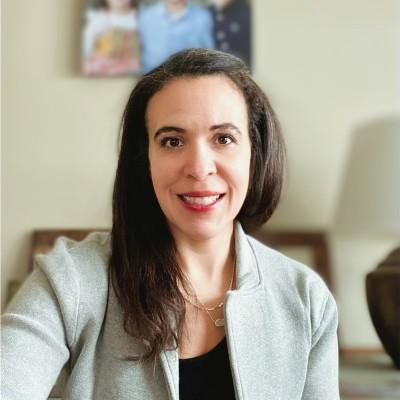
Carly Leon
Carly Gustafson Léon, MS, RDN
Carly Gustafson Léon is the Director of Healthcare Policy and Payment for the Academy of Nutrition and Dietetics. In this role, she collaborates with both government-funded and private payers to address critical issues impacting access to and payment for services provided by registered dietitian nutritionists (RDNs). Ensuring equitable access to nutrition services delivered by qualified practitioners is a central focus of Carly’s work. She leads efforts to increase the utilization of medical nutrition therapy (MNT) throughout the U.S. healthcare system.
Her current initiatives emphasize integrating nutrition into value-based care, expanding Medicaid coverage and reimbursement for MNT, and supporting the Academy’s work with the American Medical Association's CPT® code development and valuation processes.
Throughout her career, Carly has been deeply involved in various advocacy and payment-related initiatives. She holds a Master of Science degree from Eastern Illinois University and a Bachelor of Science degree, Summa Cum Laude, in Nutrition and Dietetics from Loyola University Chicago. She recently earned a Certification of Specialization in Healthcare Leadership from Harvard Online.
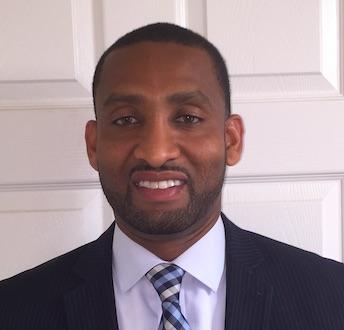
Timothy McNeill
Timothy P. McNeill, RN, MPH is a retired U.S. Nurse Corps Officer and graduate of Eastern Virginia Medical School’s Public Health program. Tim is the originating partner for Freedmen’s Medicine and Freedmen’s Consulting and a practicing Registered Nurse. In his role as CEO, he is responsible for clinical program management and oversight of the largest independent home-based primary care practice operating in the District of Columbia. In addition, Tim oversees a complex care management program serving 500+ high-risk, homebound persons with multiple chronic conditions in the District. His passion for those less fortunate has culminated in a career of service that spans over 30 years. He is a nationally recognized SME and consultant to CBO, health systems, and healthcare providers. His expertise is highly sought after, and he is also an author and contributor to several peer-reviewed articles on a variety of health-related topics.
Research and Evaluation for Medicaid Food Strategies
Capitol Room
This session described how Medicaid agencies and managed care organizations approach evaluation of programs and policies that address social needs like food security. Speakers provided updates from their own work, including the evaluation of the North Carolina Medicaid 1115 Waiver Healthy Opportunities Pilot and the SIREN project.
Moderator

Sarah Mills
Sarah is the Senior Manager of Health Systems at Share Our Strength. In this role, Sarah supports partnerships and projects at the intersection of healthcare and food access, identifying and amplifying opportunities and promising practices for expanding access to SNAP in healthcare settings. Prior to joining Share Our Strength, Sarah was employed at Gleaners Community Food Bank in Detroit, MI where she oversaw the growth and expansion of cooking and nutrition education programs, as well as leading initiatives with health care providers to improve food security and health outcomes for their patient populations. Sarah is a registered dietitian and has a Master’s degree in Public Health from Michigan State University. She is passionate about connecting people with the healthy foods they need to thrive.
Speakers
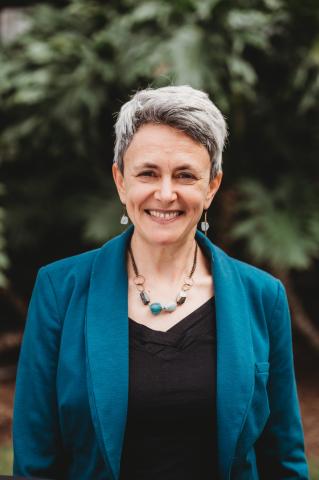
Dr. Caroline Fichtenberg
Dr. Fichtenberg is a Co-Director of the Social Interventions Research and Evaluation Network (SIREN) and Researcher in the Department of Family and Community Medicine at the University of California, San Francisco. In these roles, she leads efforts to conduct, catalyze, and disseminate high quality research on health sector strategies to reduce health inequities by addressing social determinants of health.
Dr. Jenefer Jedele
Dr. Jenefer Jedele is a health services researcher specializing in health economics and implementation and evaluation science. As a Health Economist for the Drivers of Health Strategy Team at Blue Cross and Blue Shield of North Carolina, Jenefer leads evaluations of pilot programs that test innovative approaches to supporting members experiencing social drivers of health needs. She has expertise in evaluation across a variety of sectors including academia, government, and non-profit; and across a variety of domains including behavioral health, social programs, and public health. Dr. Jedele earned a Master’s degree in Survey Methodology and a PhD in Health Services Research at the University of Michigan.
In her work, she is recognized as a “translator” of complex statistical output into actionable insights and strategies as well as a passionate advocate of data-driven decision-making.
12:45 - 1:15 PM
Lunch
1:15 - 2:30 PM
Medicaid Managed Care Organization Food Security Screening and Referral to SNAP, WIC, and More
Blue Ballroom
Presenters from the healthcare space described how they have implemented policies and programs centered around social needs screening combined with navigation assistance to SNAP, WIC, and community food resources. The session discussed how Medicaid agencies can incorporate food security screening and resource navigation provisions into Medicaid managed care organization procurement (the process by which state Medicaid agencies select health insurance companies select health insurance companies to administer insurance plans to Medicaid enrollees).
Moderator
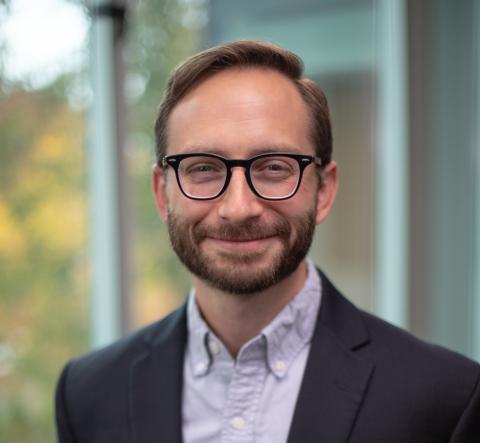
Rich Sheward
Richard Sheward is the Director of System Implementation Strategies at Children’s HealthWatch. In this role, Richard leads the cross-sector policy work and initiatives of the organization. In close coordination with the Children’s HealthWatch Principal Investigators and Executive Director, he identifies and executes a wide range of projects grounded in research, policy analysis, and advocacy to inform and influence policy decisions that improve children’s health. Richard’s multi-pronged portfolio includes leadership of the Children’s Health Watch Social Vital Signs™ Communities of Practice, as well as strategic and innovative partnerships with other national organizations, researchers, and policy makers to advance the mission of Children’s HealthWatch.
Before joining Children’s HealthWatch, he completed an Education Pioneers Fellowship at Jobs for the Future, where he contributed directly to the organization’s policy research and analysis, and supported the Vice President in scoping out organizational strategy, resource development and external relations. Richard has also focused on organizational development and fundraising as the Grants Manager for the Boston affiliate of the national youth development nonprofit, America SCORES, and as an AmeriCorps*VISTA member in New York to develop the startup operations and fundraising strategy for an eco-civic environmental justice program serving urban youth.
Mr. Sheward received his BA from the University at Albany (SUNY) in English. He received his Master’s of Public Policy from the Heller School at Brandeis University.
Speakers
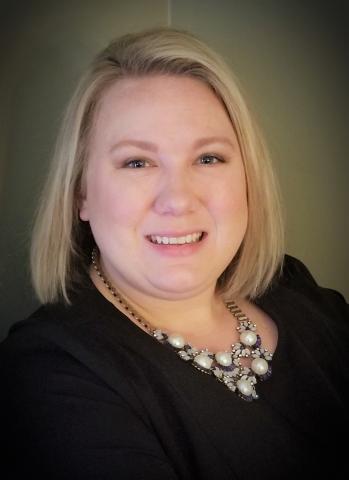
Katie Commey
Katherine M. Commey, MPH, known as Katie, is the Manager of the Strategic Engagement and Planning Section within the Health Services Administration, at the Michigan Department of Health and Human Services. With a background in healthcare administration, public policy, and a deep commitment to serving vulnerable populations, she specializes in program development, transformational stakeholder engagement, and strategic planning. Katie is dedicated to creating systems that ensure equitable access to high-quality healthcare for all, focusing on innovative policy initiatives related to health equity and value-based care. She leads a team that supports cross-cutting programs, actively collaborates to enhance healthcare delivery, and serves as a primary resource in Michigan’s section 1115 waiver evaluation efforts. With a Bachelor of Science in Human Biology and Microbiology, and a Master of Public Health from Michigan State University, Katie's passion for health, commitment to excellence, and continuous pursuit of innovation drive her contributions to healthcare systems and services across the state.

Aaron Canfield
Aaron Canfield is enjoying his fourteenth year with the State of Michigan where he has worked with Medicaid programs in some capacity throughout his career. He currently serves as the Manager of the Plan Management Section with to the Managed Care Plan Division within Health Services. A Western Michigan University alum, Aaron has been proud to call Kalamazoo, MI home for more than twenty years and considers himself fortunate to raise two daughters there with his wife. Passions outside of professional life include family, traveling, biking, and almost any activity enjoyed in nature.

Jennifer Park
Jennifer Park is a healthcare leader with over 20 years of experience in the medical social health space, including five years as an operational leader overseeing social workers and case management across emergency, hospital, and ambulatory settings. Currently, she serves as the business lead for the Kaiser Permanente Community Support Hub™ call center dedicated to connecting members with essential social health resources.
Under her leadership, the Hub has evolved into a proactive, multichannel service, integrating social health screenings and resource referrals into care delivery and member services. In 2024, the Hub supported nearly 89,000 members—a 48% increase from the previous year—while significantly reducing operational costs. By leveraging automated workflows, proactive outreach, and centralized referrals, the Hub has strengthened connections to vital services such as SNAP, WIC, and community resources, improving access to food, housing, and other critical social needs.
Jennifer is a licensed clinical social worker with a master’s in social work from NYU before dedicating her career to championing health equity. She co-founded the Bucket List Project, a philanthropic initiative at Long Beach Memorial Health System that grants wishes to adults with life-limiting illnesses. Beyond her work in healthcare, Jennifer enjoys playing tennis, gets irrationally frustrated at making sourdough (but keeps trying), and loves crafting handmade gifts for friends and family.
Leah Pryor-Lease
Leah Pryor-Lease is the Director of Community & External Relations for Colorado Access where she leads a team focused on reducing disparities related to social determinants of health. She brings over two decades of professional experience in the nonprofit, philanthropic, and public sectors to this role, most recently with the Office of Congressman Jason Crow in Colorado’s 6th Congressional district.
Prior to her work with Congress, Leah was the Director of the Rights, Faith, and Democracy Collaborative at Proteus Fund, where she led grantmaking, strategy development, and fundraising efforts to advance policy change and social justice. She has also served as a Program Officer at Voqal Fund and as Strategic Partnerships Officer at the Gill Foundation, where she supported place-based movement building efforts across the nation.
Leah lives in Denver, CO with her family, where she has served on several boards and commissions, including the Denver Mayor's LGBTQ Commission, New Era Colorado, Progress Now Colorado, and Movement Advancement Project.
2:45 - 4:00 PM
Parallel Workshops
Working with Medicaid on Administrative Change as an Advocacy Organization
Hampton Ballroom
Several MFSN grantee organization representatives presented about their work as part of the Medicaid Food Security Network Partners Program. They discussed their partnership building with Medicaid agencies and MCOs around In Lieu of Services nutrition programs. Further interactive conversations focused on how healthcare and food organizations can work together to develop partnerships, and share lessons learned in centering Medicaid enrollees whilst balancing the needs and requirements of community based organizations and healthcare entities.
Co-facilitators
Kathryn Jantz
Kathryn Jantz is the Senior Associate responsible for providing subject matter expertise on Medicaid health related social needs policy, the intersection between food and health, social return on investment for upstream activities, and healthcare-based programs to address social needs. She is a public health policy expert focused on mobilizing the healthcare system to address the structural drivers of health inequity. In prior roles, she supported states in developing strategies to finance care for children in youth with special health care needs, led the implementation and design of Colorado Medicaid’s primary delivery system, and ran a successful Accountable Health Communities Model in Western Colorado. Kathryn holds a Masters in social work with a focus in clinical practice and a Masters in public health with a focus in health law.

Elise August
Elise August, MPH is the Director of Health Systems Innovation at Feeding America. In her current role, she oversees Feeding America’s health and nutrition strategic efforts, fostering collaborations across the charitable food and healthcare sectors to improve health. Elise brings experience from local community-based organizations and global food & beverage brands, addressing topics from program evaluation to food labeling and regulatory compliance. Elise holds a Bachelor of Science in Nutrition and a Master of Public Health degree, both from The Ohio State University.
Speakers
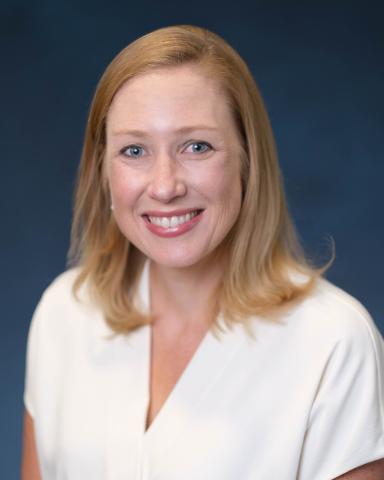
Dawn Opel
Dawn Opel, JD, PhD, is Chief Innovation Officer and General Counsel of the Food Bank Council of Michigan, where she oversees strategy, legal and compliance, and a portfolio of cross-sector innovation projects to improve food access and health outcomes for Michiganders. A lawyer and researcher, her career has included positions in academic, nonprofit, and government sectors, and broadly, she works to build strategic partnerships for social innovation. Dr. Opel’s particular focus is developing capacity in Michigan for food-as-medicine interventions, and she is currently involved in the development and implementation of a statewide healthy food pack program as a reimbursable service with Medicaid managed care plans. She holds a PhD from Arizona State University and a JD from the University of North Carolina School of Law. Dr. Opel is adjunct assistant faculty at Michigan State University in the College of Arts & Letters.
Kelcie Silvio
Kelcie Silvio is passionate about a making generational impact on health and well-being, not only improving a child’s current circumstances, but also the trajectory of their entire lives. Kelcie leads Voices’ food access and early childhood initiatives, including leading two exploratory workgroups focused on improving nutrition access for children. Additionally, Kelcie co-facilitates the statewide Women, Infants, and Children (WIC) Workgroup, spearheads efforts to identify how to leverage Medicaid to address hunger across the state. and collaborates on initiatives to strengthen food and nutrition standards within early education settings.

Meaghan Butler
Meaghan is a policy advocate who believes that health equity is achievable when we think creatively and work across sectors. As Senior Director of Food is Medicine at the Federation of Virginia Food Banks, Meaghan works with all seven of Virginia’s food banks to build stronger partnerships with the healthcare sector and develop innovative strategies that address health disparities. She also leads the Virginia Food is Medicine Coalition, a passionate group of experts and individuals with lived experience, united in an effort to make nutritious food a recognized and reimbursed part of healthcare.
SNAP and WIC Data Sharing to Healthcare: The Value, Legal Rationale, Risks, and Case Studies
Capitol Room
The attendees heard about the legal rationale for cross-sectoral benefits enrollment data sharing, case studies that show how data sharing can be applied, and risks; and naming barriers and opportunities for MFSN to support state and federal collaboration
Speakers

Jenee Saffold
Jeneé Saffold, J.D., is an attorney and advocate dedicated to expanding access to healthcare, nutrition, and other public benefits. With over a decade of legal experience, she advises state agencies and inter-tribal councils on data sharing and matching, regulatory compliance strategy, and outreach strategies to improve programs like Medicaid, SNAP, and WIC. She currently uses this expertise as a Policy Attorney with the MORE WIC! Project at The Johns Hopkins Bloomberg School of Public Health. She is also a co-author of the widely used resource, Data Sharing to Build Effective and Efficient Benefits Systems: A Playbook for State and Local Agencies.
Kate Hanson
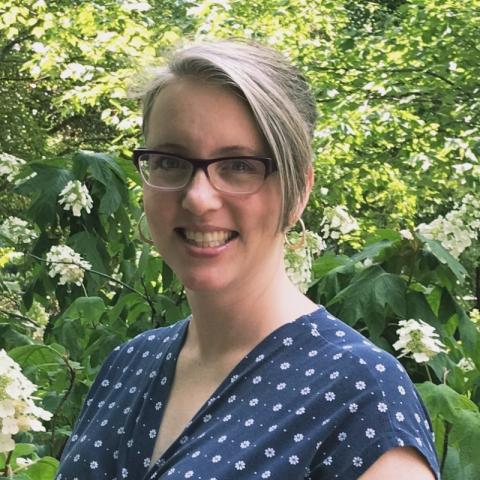
Dr. Kate Hanson is a mom, scientist, and advocate working to end child hunger in North Carolina. Kate is the founder and Executive Director of Meals4Families and co-founder of the NC Tax Credit Coalition. Her work focuses on breaking down barriers that prevent families from accessing food, healthcare, and economic support resources. Kate works with partners across North Carolina to expand access to SNAP, WIC, Medicaid, and school meals and to connect more families with tax credits and free tax filing options.

Brittany Tybo
Brittany Tybo is the esteemed Washington State WIC Director, a position she has held just shy of a year. Her journey in the WIC (Women, Infants, and Children) program is inspiring and impactful, rooted in personal experience and professional dedication.
Before assuming her role in Washington State, Brittany made significant contributions as the WIC Director for the Inter-Tribal Council of Nevada. In that role, she managed services for 29 tribes across Nevada, demonstrating her ability to effectively address the diverse needs of various communities.
Medicaid Food Security Strategies as a Pathway to Catalyze Transformative Change: Reflections and Call to Action
Blue Ballroom
This closing session discussed how now is the moment to proactively organizing around Food is Medicine and the full spectrum of Medicaid food strategies. The coalition building started or deepened will enable policy and administrative change. These changes will position the Medicaid program to achieve better health outcomes among enrollees - and Medicaid investments in social care can lead to healthcare cost savings and better benefit program resiliency in the long run.
Moderator
Dr. Julian Xie
Julian Xie, MD, MPP (He/they) leads and develops the Medicaid Food Security Network, as well as serves as a programmatic expert in Medicaid, federal nutrition benefits (SNAP, WIC), and Food is Medicine. The Medicaid Food Security Network aims to mobilize the Medicaid system and food security community to better serve Medicaid participants through improved access to SNAP, WIC, and increased investments in food security and access initiatives.
Julian most recently served as the Associate Director of Healthcare Innovation and Evaluation at Benefits Data Trust where he led partnerships with healthcare organizations - including Medicaid managed care organizations and hospitals - to connect members/patients to application assistance for public benefits with a focus on SNAP. His role also included evaluation facilitation for healthcare projects on the links between SNAP access and improved healthcare outcomes. Julian also led technical assistance and advocacy to increase linkages between healthcare and public benefits, including workflow integration for SNAP application assistance for healthcare teams, and advocacy for SNAP data sharing to enable healthcare organizations to improve their SNAP outreach and evaluation efforts.
Speakers

Dr. Rishi Manchanda
Dr. Rishi Manchanda is CEO at HealthBegins. He has advanced bold strategies to help health care move upstream and advance health equity for historically marginalized patients and communities throughout his career as physician, executive, and public health champion. Dr. Manchanda served as the founding director of social medicine for a network of community health centers in South-Central Los Angeles, as the first lead primary care physician for homeless veterans at the Greater Los Angeles VA, and as the inaugural chief medical officer for a self-insured employer with a large rural agricultural workforce. In his book—The Upstream Doctors—and TED Talk, he introduced “Upstreamists,” a new model of healthcare professionals who improve outcomes by addressing the social and structural drivers of health equity—patients’ social needs, community-level social determinants of health, and structural determinants of health equity including structural racism.
Lillian Singh
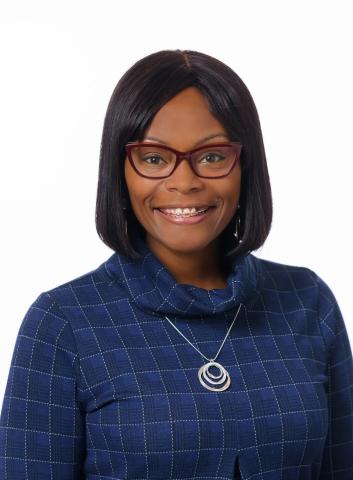
Lillian D. Singh serves as Senior Vice President of Family Economic Mobility for Share Our Strength. In this role, Lillian leads the organization’s initiative to address structural inequities that create, sustain, and perpetuate food insecurity and persistent poverty for families.
For nearly two decades, Lillian has advanced racial economic analysis, program design solutions, grassroots capacity-building models, and power-building approaches to bridge the racial wealth divide.
A Mississippi native but raised in Los Angeles, Lillian earned her undergraduate degree in Urban Planning and Masters of Arts in Sociology, both from Stanford University. She has received numerous fellowships and honors, including the Aspen Institute Civil Society Fellow and the Independent Sector American Express NGen Fellow. Lillian lives in Bowie, Maryland, with her husband.