
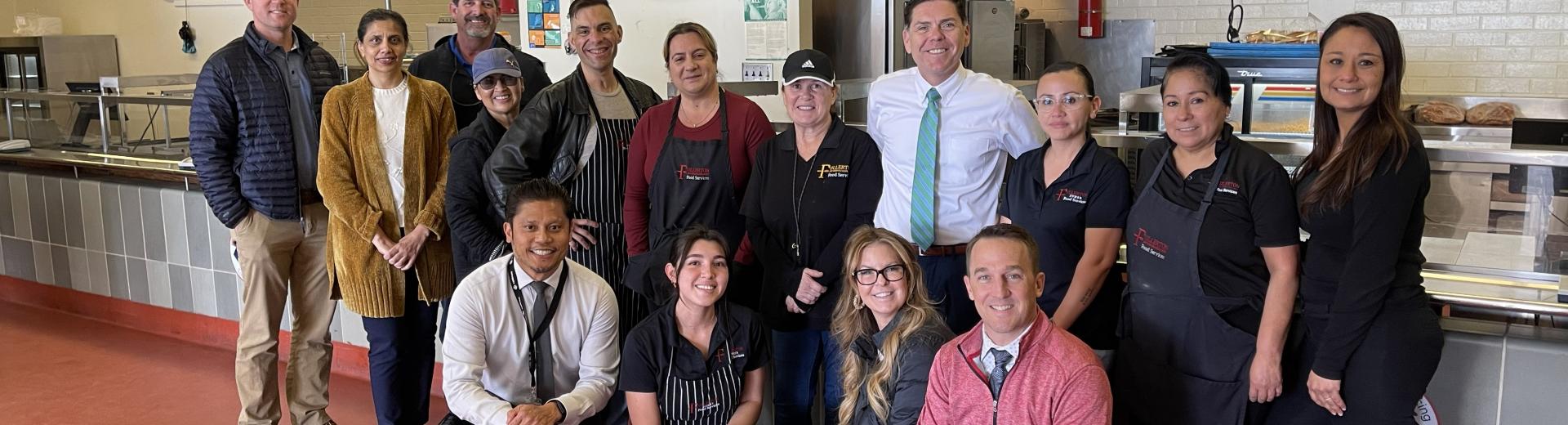
Edgar Manalo understands the transformative impact that SUN Bucks, also known as Summer EBT, can have on hungry kids. As the Business Services Director of Fullerton Joint Union High School District (FJUHSD) in Fullerton, CA, and as a SUN Bucks Champion for No Kid Hungry, Edgar is sharing his knowledge about connecting families to SUN Bucks. To Edgar, this program that provides $120 in grocery benefits to eligible children during the summer months when school is out and school meals stop, isn’t just important for families to understand, it’s absolutely critical for school and district staff to understand as well. As No Kid Hungry research has shown, families consider schools to be the most trusted messengers for information. Therefore, in order for families to know how SUN Bucks can help keep their kids fed during the summer, schools need to know as well and share information far and wide about this benefit.
In his day-to-day role at FJUHSD, Edgar oversees the procurement and contracts processes specific to district warehouses and food services. But, he also leads communication strategy to raise awareness and educate staff on SUN Bucks. Edgar sees SUN Bucks as part of the broader year-round nutrition support offered to kids and families, and approaches SUN Bucks outreach with that mindset. He weaves SUN Bucks messaging into already existing communication channels and district operational systems, which families are already tapped into and benefit from. Learn about how Edgar utilizes established systems to connect families to SUN Bucks, and how he engages school staff to understand their role in helping to make SUN Bucks a success.
FAMILIES
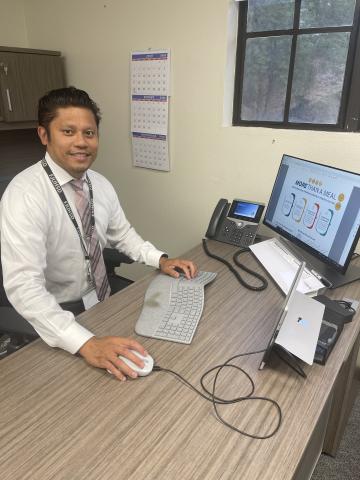
Edgar notes that one of the biggest SUN Bucks impacts he has seen in his district is when families understand that support doesn’t stop when school is out. Edgar leverages his district’s “More Than a Meal” campaign to communicate the year-round programs that are available to families, which includes free meals during the school year and summer, financial support like CalKIDS, discounts on utility bills, SUN Bucks, and more. Instead of receiving fragmented information, families are able to see how these resources work together to provide support year-round. Edgar says once families see the full picture of resources, they are less confused and are more likely to engage and participate.
Edgar and his team knows that in order to understand the full picture of family engagement, they must examine many variables from his district’s SUN Bucks outreach campaign, including SUN Bucks Universal Benefits Application (UBA) form completion and engagement trends, consistency across district sites, clarity and alignment of messaging across channels, and family awareness and feedback. This information helps him see where there are wins and where there is room for improvement, and ultimately how his district can most effectively connect with families and support them.
DISTRICT STAFF
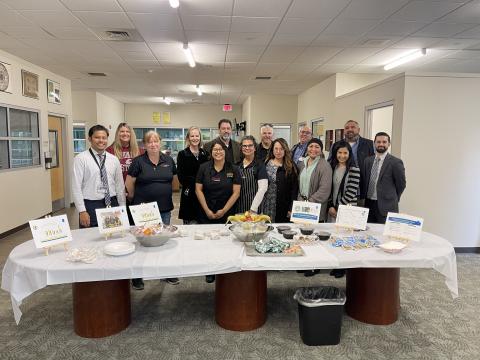
Communicating about SUN Bucks to fellow district staff is also critical in gaining staff buy-in. Edgar notes that the framing of this program is important to help staff understand its value in the larger picture of how schools can continue to support its students and families. He explains that when programs are communicated in isolation, they can feel transactional and easy to overlook. But when SUN Bucks is strategically positioned as part of a broader network of resources for families throughout the year, it becomes more meaningful and more likely to resonate with district and school staff.
Edgar champions SUN Bucks to his staff the same way he does to families - by including it in his district’s “More Than A Meal” campaign. Tying SUN Bucks to other family assistance programs highlights how a range of student and family benefits, such as college fee waivers, internet access, and financial support, are also connected to nutrition benefits. This level of family support requires the collective action of multiple district stakeholders, such as site administrators, Food Services, the communications teams, the Student Support Services, and more, to ensure families are supported in participating in these programs and accessing these services. This kind of district-wide collaboration makes it easier for staff across the system to see why their role matters in helping families access these resources, and easier for Edgar to get internal buy-in for SUN Bucks. By positioning SUN Bucks within a broader benefits framework, staff won't feel like they’re taking on one more thing. Instead, they see it as part of their existing role in supporting families, and they can incorporate messaging into communication channels they already manage.
Additionally, making use of site administrators to reach front offices and communication teams can make SUN Bucks more visible and accessible without adding significant burden to staff. For instance, Edgar and his team provide materials and messaging using the “More Than a Meal” campaign to site administrators across each campus, as well as to college career and counseling offices and Food Services staff. Site administrators then share that information to their front offices and site-based communications.The messaging is distributed via:
School newsletters and principal email communications,
- Social media posts,
- High school websites, and
- In cafeterias directly with students.
In Edgar’s experience, the most critical district stakeholders are those who have direct and trusted connections with families, which includes site administrators, front office staff, district communications teams, Student Support Services, College Career and Counseling offices, and cafeteria staff. Aligning these stakeholders around a shared message, e.g. the “More Than a Meal” campaign, has proven to be successful in ensuring that SUN Bucks messaging is reinforced across multiple platforms at the school level.
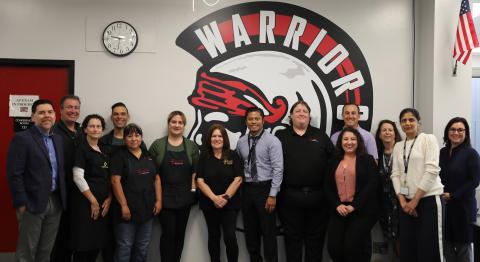
SUSTAINABILITY OF MESSAGING
Another component of savvy messaging is the sustainability of SUN Bucks outreach. For Edgar, it’s critical that outreach not be dependent on individual champions, but rather a part of broader, clear and consistent messaging from the district. He notes:
"In our district, outreach becomes more sustainable when it’s integrated into a broader framework—in our case, our “More Than a Meal” campaign. Rather than relying on individual champions to push messaging each year, we align SUN Bucks with existing processes like annual data confirmation, school site communications, and districtwide messaging strategies. Ultimately, sustainability happens when SUN Bucks is not seen as an “extra” effort, but as part of how a district consistently supports families year-round.”
His approach is less about adding new resources and more about creating alignment across systems, messaging, and people. Edgar's best practices include:
- Connecting SUN Bucks with other district programs and messaging that families are familiar with and already understand. This includes providing clear, consistent, unified messaging, and positioning SUN Bucks alongside other benefits families already care about, and reinforcing awareness throughout the year.
- Integrating any work pertaining to SUN Bucks into existing workflows for district staff, like registration and parent data confirmation, so SUN Bucks is easily incorporated into already existing operating systems.
- Providing centralized messaging to site administrators for consistent rollout, and then leveraging site-based communication channels to reinforce messaging via newsletters, social media, principal emails, and school websites.
- Sharing messaging/outreach ownership across departments. While Food Services play a key role, site administrators, communications teams, and Student Support Services all have defined family touchpoints, and should be tapped for their direct connections to families.
If you’d like to learn more about FJUHSD’S “More Than a Meal” campaign, please click on the links below:
- 26/27 More Than a Meal Flyer
- 26/27 FAQ
- 25/26 More Than a Meal Flyer
- 25/26 FAQ
- 24/25 More Than a Meal Flyer
- 24/25 FAQ
- 23/24 More Than a Meal Flyer
- 23/24 FAQ
Want to hear more from Edgar?...
Watch Edgar talk about what schools can do to help families get SUN Bucks in Behind the Benefits: A School Business Leader’s Perspective on Summer EBT (SUN Bucks). School district business services teams play an important role in the systems and processes that help connect eligible families with food assistance. Hear Edgar share why SUN Bucks is valuable to families and how districts can help ensure families receive clear, timely information about the program.