

The Supplemental Nutrition Assistance Program, SNAP, is a lifeline to families during times of transition. Whether it's a new addition to the family, job loss, or divorce, a life change can mean the difference between having enough and needing extra support.
This has been true in the life of No Kid Hungry’s SNAP Parent and Caregiver Advisory Council member, Christopher Thornton. Chris’s experience with SNAP, formerly known as food stamps, is familiar to many; he has been on and off SNAP as life changes necessitated it. Chris wants other parents to see that there is no shame in accessing benefits. “If you need the help, that’s what it's there for.”
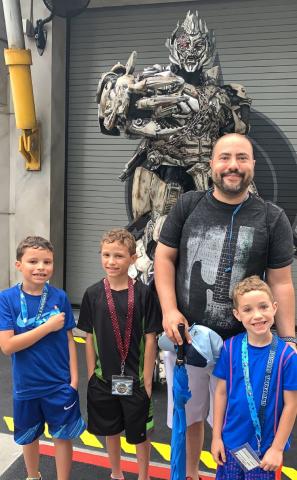
Chris recently shared his story as a panelist at our opening plenary at No Kid Hungry’s Summer Nutrition Summit. At the summit, Chris joined a panel of lived experts discussing their experience with Summer EBT and the rural non-congregate summer meal program, and how these programs allow them to live their fullest and share their joy.
Chris first learned about SNAP benefits long before he ever received them. His mother was a kindergarten teacher in a Title I school. She saw the SNAP program helping students in her school and throughout the school system, as students whose families receive SNAP are qualified for free school meals. The first time Chris applied for SNAP benefits was in college. He was expecting his first son, and his family received WIC and SNAP benefits for about 8 to 10 months. That short time on SNAP and WIC allowed his family to raise their firstborn and for Chris to complete his college degree.
Later in life, Chris relied on SNAP as he went through a divorce and a job loss. Both times, he was only on SNAP for a relatively short time, and the program allowed him to get back on his feet with dignity while caring for his children.
“Everything in life is expensive, and everyone I see on [SNAP] is hardworking or trying to be hardworking. It’s not as simple as just finding a job.” Chris fought for a job that recognized his skills and would allow him to best support his children. SNAP allowed him to find meaningful work.
With three teenage boys at home, Chris’s summer looked a little different this past year. As a dad navigating a busy schedule, he spent nearly all of June with his kids, using his vacation time to give them stability while school was out. With grocery costs rising and regular SNAP benefits stretching thinner than expected, the arrival of Summer EBT(also known as Sun Bucks in some locations) brought welcome relief.
Chris was initially unaware that the Summer EBT program existed and could help families like his bridge the summer meal gap. Because Chris is part of No Kid Hungry’s SNAP Parent and Caregiver Advisory Council, he learned more about Summer EBT and recognized a knowledge gap about this program among families in his community. When the benefits arrived, they made a real difference, helping Chris cover meals for 24 straight days of parenting. The extra support helped fill gaps as regular SNAP funds dwindled.
Chris is challenging state agencies and their partners to improve their communications to ensure parents know about all the resources available to them. “Communication is key. I want to see more proactive communication around Summer EBT from state agencies, schools, or community organizations.”
In response, No Kid Hungry developed the Outreach Playbook, informed by family experiences like Chris’s. This toolkit shows how agencies and community partners can utilize robocalls, text messages, letters home with kids at school, and social media to spread the word about these important programs and help families understand the supports they can access in the summertime.
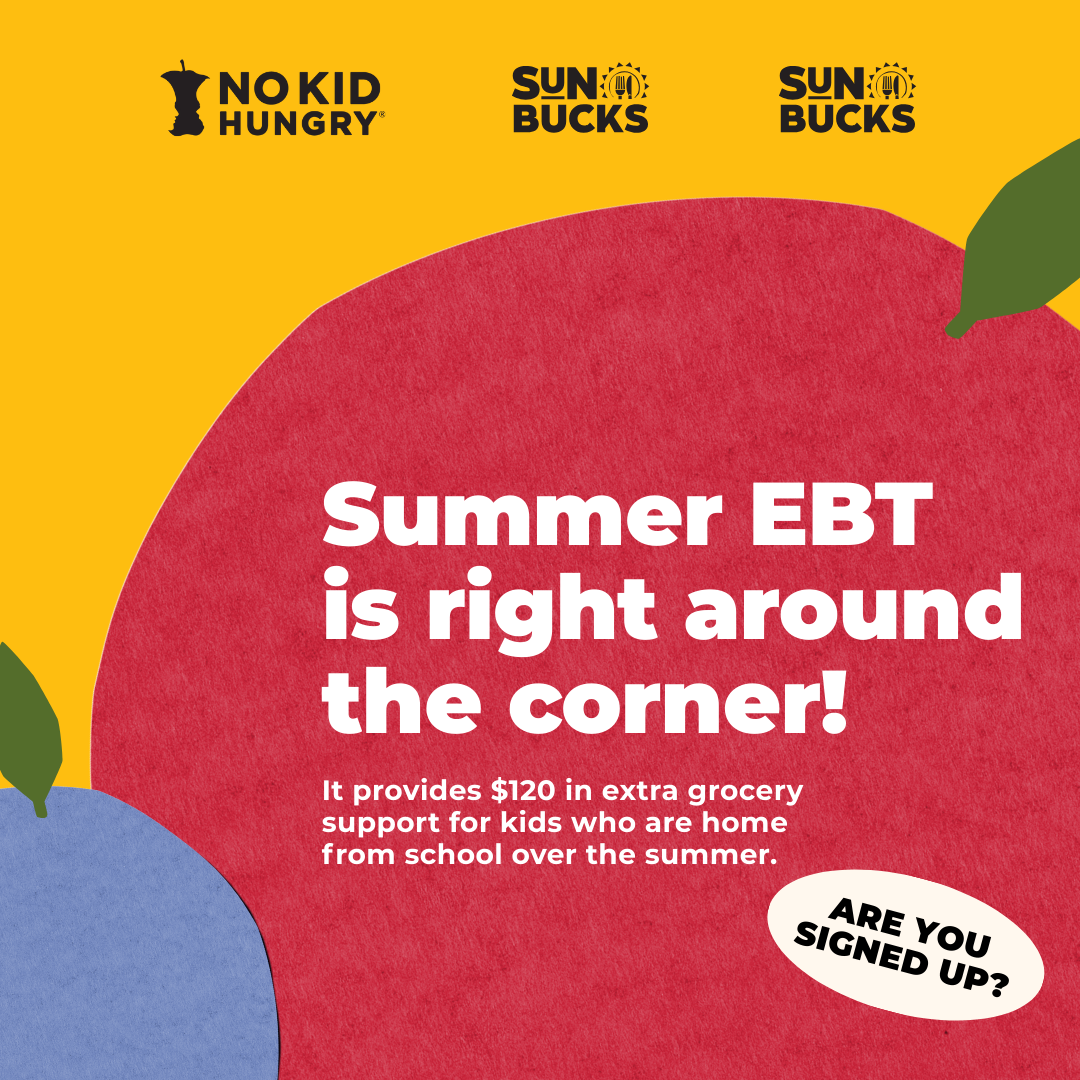
Summer EBT Outreach Playbook
What gives Chris hope is the impact he sees every day. He sees how SNAP and Summer EBT don’t just feed families; these programs keep people housed, help them eat nutritious meals, and give them the stability to find a job, return to school, or simply make it through a hard month. To policymakers, his message is simple. “That one program can make the difference between a family being homeless and being okay. The person with the cure for cancer could be a SNAP recipient.” You don’t know someone’s true potential until they are well fed.